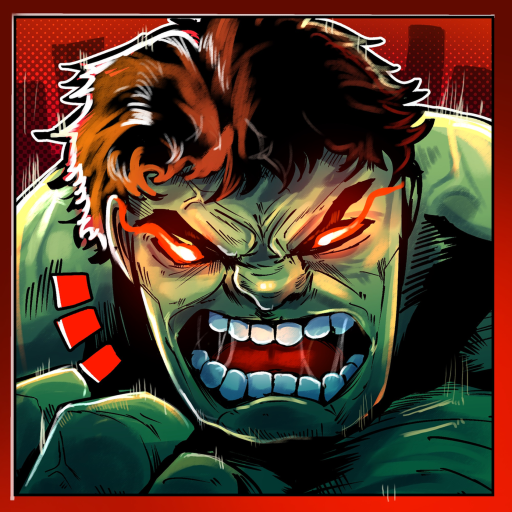
How to Defeat The Hulk in Hide From The Hulk
Build a fight the group can sustain
- Objective: Work with the other players to take down The Hulk while surviving the destruction.
- Approach: Contribute from positions you can leave, then regroup instead of turning each attack into a separate solo chase.
- Decision: Choose useful opportunities over a promise to win through one character or one uninterrupted attack.
Make defeating The Hulk a shared objective
Hide From The Hulk presents the fight as a cooperative challenge. Your group is trying to survive the destruction and bring The Hulk down before he takes the players down. Start from that shared objective rather than assuming every encounter needs a player to win alone.
A useful first plan is simple: follow where the fight is moving, contribute when your position allows it and keep room to leave when the pressure reaches you. The demonstration below gives you a look at an actual hero encounter. Use it to understand the pace of committing and repositioning, rather than treating a successful-looking moment as a guaranteed winning sequence.
Keep the group able to contribute
A group can lose its useful shape without everyone being defeated at once. Players may chase in different directions, crowd the same narrow space or lose sight of the opponent. When that happens, the next priority is to recover a workable position, not to insist that everyone continue the original rush.
Stay close enough to understand what the other players are doing, while leaving yourself space to react. If you are the one under pressure, move toward a route you can actually use. If someone else is handling that pressure, contribute without placing yourself directly in the way they need to escape.
This is a practical fighting recommendation. It does not rely on an assumed taunt, an invisible team bonus or a particular damage multiplier. You are making it easier for the group to remain involved in the encounter.
| Situation | Useful next decision |
|---|---|
| You have room to act and a way out | Contribute without giving up that exit. |
| The opponent is closing your position | Reposition before you have no useful direction left. |
| Players are chasing in different directions | Recover a view of the shared fight. |
| You want a different hero for the next session | Choose for a specific role or preference rather than a guaranteed win. |
Leave before the position becomes the problem
Destruction makes a fixed plan less reliable. Do not keep fighting from a spot solely because it worked earlier in the encounter. Watch the space you mean to use next, especially when the group and The Hulk have moved toward it.
Disengaging is useful when it preserves another contribution. It is less useful when you run so far away that you no longer know where the encounter is happening. Aim for a position where you can recover awareness and decide whether to rejoin, rather than choosing between constant attacking and leaving the fight entirely.
Avoid judging a hero only by one difficult attempt. A role you are still learning adds its own decisions to the encounter. Changing characters can be enjoyable, but it should answer a real preference instead of becoming a substitute for positioning.
Choose the next improvement after the attempt
If the group repeatedly loses its shape, work on coordination. If you keep being caught after following a chase, work on leaving earlier. If you can follow the encounter but want another role, use the hero pass priority comparison to separate a purchase decision from a promise of combat strength.
The survival guide is the better next step when staying involved is harder than finding opportunities to attack. Both goals matter: lasting longer gives you more chances to contribute, while staying involved keeps survival connected to the group objective.
For the next fight, pick the improvement you can actually act on. A clear position, a usable exit and a shared objective give the team a more repeatable plan than rushing after every opportunity and hoping the character choice will carry the result.